
Context
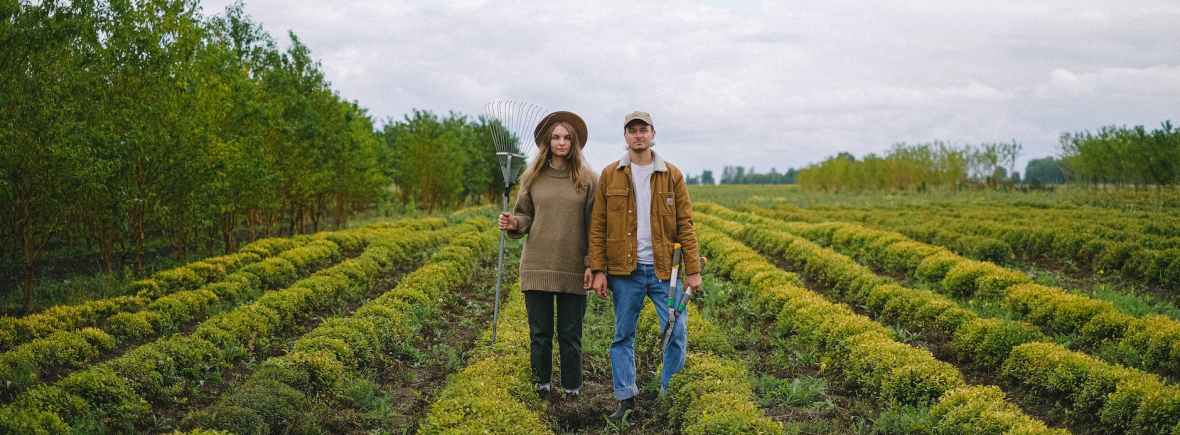
The European agricultural sector is facing major challenges. Climate change, fast digitalisation and technological development, and demographic transition require educators to be able to adapt and implement a more green and digital curriculum to support agricultural students and young farmers on their vocational education and training path.
FARMER will work on the development of teachers’ work in supporting students’ cross-cutting skills within the scope of sustainability and future needs and the understanding of how to use pedagogical and didactic methods as a tool to increase the attractiveness of vocational education and training in the agricultural sector.
Also, the agricultural industry is facing problems with a poor reputation and slow generational renewal. The Danish Agriculture and Food Council report that more than one in three producers in the agricultural sector is in need of qualified labour. At the same time, youth unemployment in the EU-27 level is at 15,1% according
to Eurostat. Most of those young people are without any vocational training or education.
FARMER aims at enabling teachers and educators to strengthen their skills and pedagogical methods and to raise students’ awareness of the importance and relevance of their choice of occupations so that they experience pride in the choice of vocational education and training.
Objectives
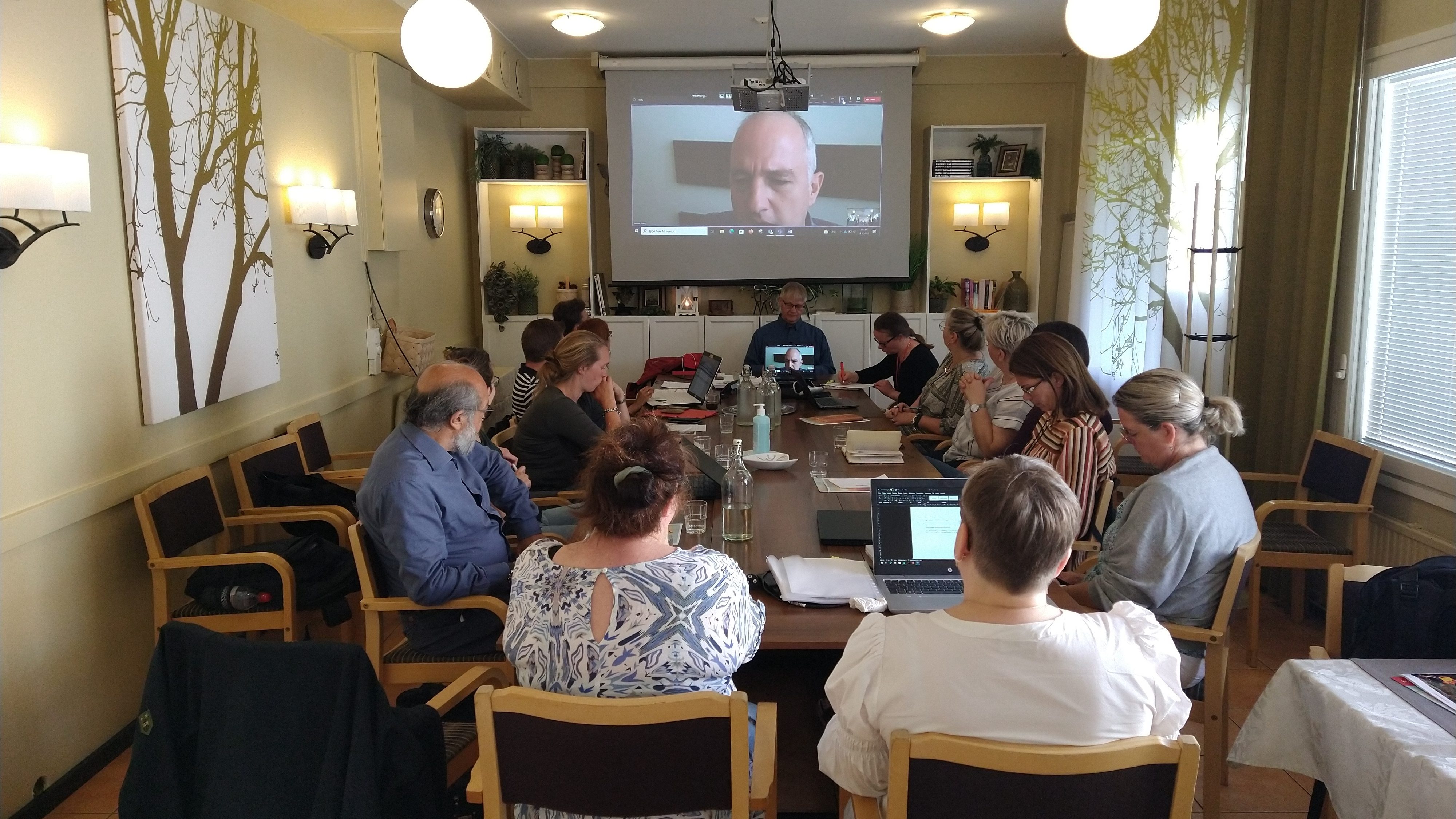
FARMER’s main objective is to train teachers and educators in developing a more practical approach to teaching. By studying different national educational systems, exchanging teaching techniques and exchanging of best practices, the project partners will own and recognise the richness and diversity of various pedagogical and didactic approaches across Europe.
The project activities support educators, educational leaders, and support staff to strengthen their key competencies in initial and continuing VET, motivate and recruit students, and implement environmental and climate goals through their pedagogical and communication practices.
The 10 partner organisation in the project convey the knowledge gained and involve their peers in learning activities. An estimated number of 50 people will benefit from the mobility activities directly. With the efficient dissemination, the best practices will be shared more widely in national and transnational contexts.

Methodology
FARMER’s methodology build on the concept of interdisciplinary teaching to enhance the quality of education. It approaches modern key issues from the perspective of different subjects taught by participating educators using different teaching methods and digital technologies.
Throughout the project’s three-year life, the FARMER consortium will exchange experiences and best practices in relation to the development work of the teaching. They will look at the skills taught today and examine the skills required tomorrow by future farmers.
March 2022 | Online
May 2022 | Croatia
June 2022 | Finland
October 2022 | Denmark
January 2023 | Italy
March 2023 | France
November 2023 | Spain
Spring 2024 | Serbia
Autumn 2025 | Belgium
 FARMER